Bone china in hospitality
Grand hotels, Michelin-starred restaurants, first-class cabins: why professional kitchens choose bone china, and what they ask of it.
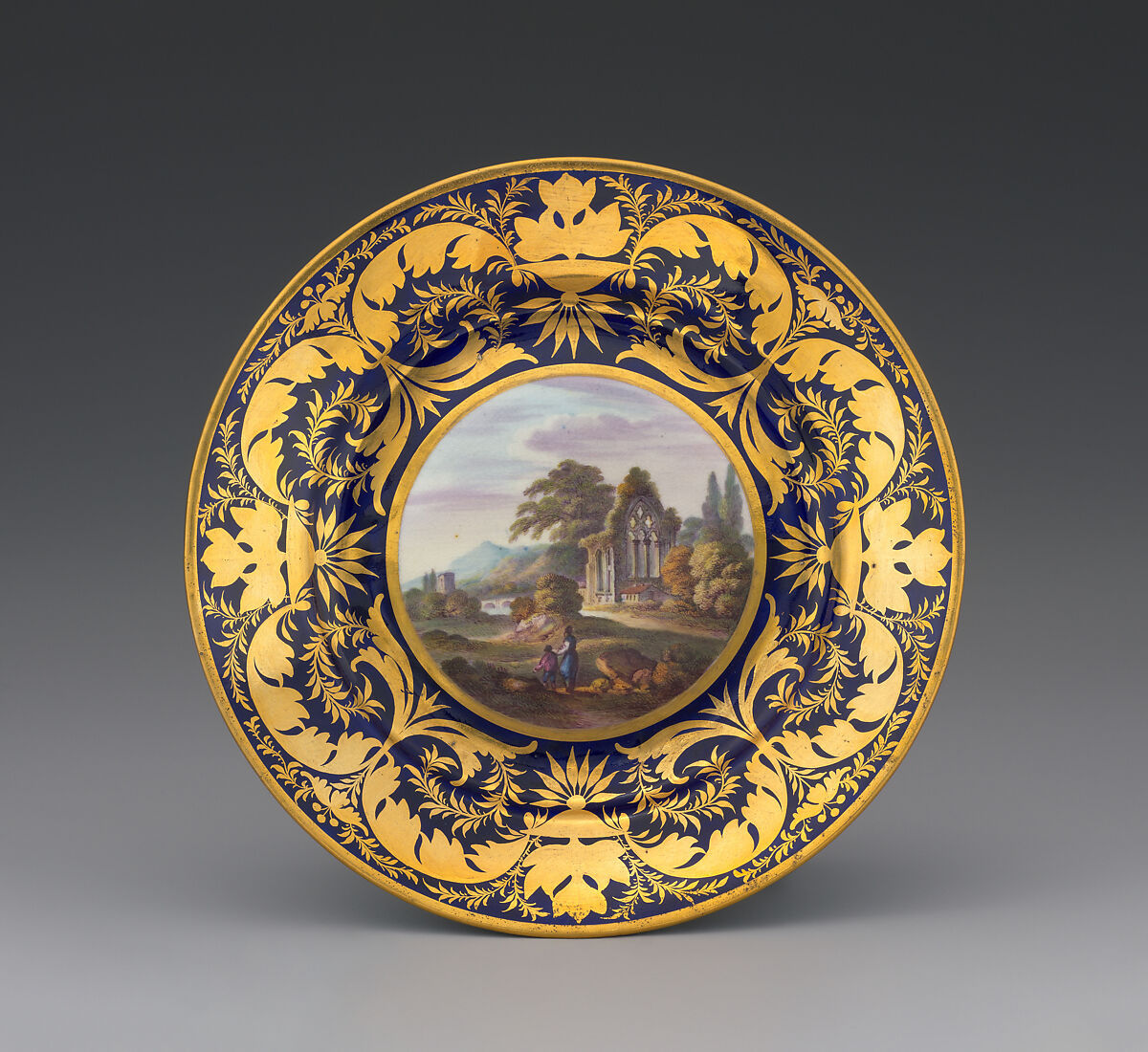
Bone china has been the material of the grand table since the nineteenth century, from state banquets to ocean liners. Today it is used by luxury hotels, restaurants and airlines worldwide.
Why professionals choose it
- Presentation. A warm white ground and a fine, glossy surface for food and decoration.
- Lightness. Easier to carry by the trayful, and lighter on board an aircraft.
- Performance for its weight. Strong and dense, so it can be thin without being fragile.
- Bespoke potential. It takes crests, colours and gold well.
Makers cite these uses publicly: Narumi launched its first bone china collection for hotels and restaurants in 1975 and supplies airlines; Dibbern’s fine bone china is reported in Lufthansa First Class; William Edwards has made bespoke bone china for Michelin-starred chefs including Tom Kerridge.
What hospitality asks of it
A restaurant plate is washed hundreds of times a year in commercial machines and stacked, carried and knocked constantly. Hospitality bone china is usually made with thicker, rolled or reinforced rims, shapes designed to stack, and decoration chosen for dishwasher resistance. When specifying, buyers should ask for:
- the body composition and maker;
- edge-chip and impact test results, with the method (for example EN 12980 or ASTM C368);
- dishwasher-resistance results for the decoration (EN 12875);
- food-contact compliance for glaze and decoration;
- continuity of supply for replacements.